Unveiling Thomas Moran's Grand Canyon of the Yellowstone Details: A Masterpiece Defined
Thomas Moran's The Grand Canyon of the Yellowstone, completed between 1893 and 1901, stands as a monumental testament to the awe-inspiring beauty of the American West and the profound impact of art on conservation. This colossal oil on canvas, now a cherished centerpiece at the Smithsonian American Art Museum in Washington, D.C., isn't merely a landscape painting; it's a vibrant historical document, a call to environmental stewardship, and a masterclass in evoking the sublime. Join us as we delve into the intricate details and enduring legacy of this iconic depiction of the Grand Canyon of the Yellowstone.
A Masterpiece Unveiled: The Grand Canvas of the Yellowstone (1901)
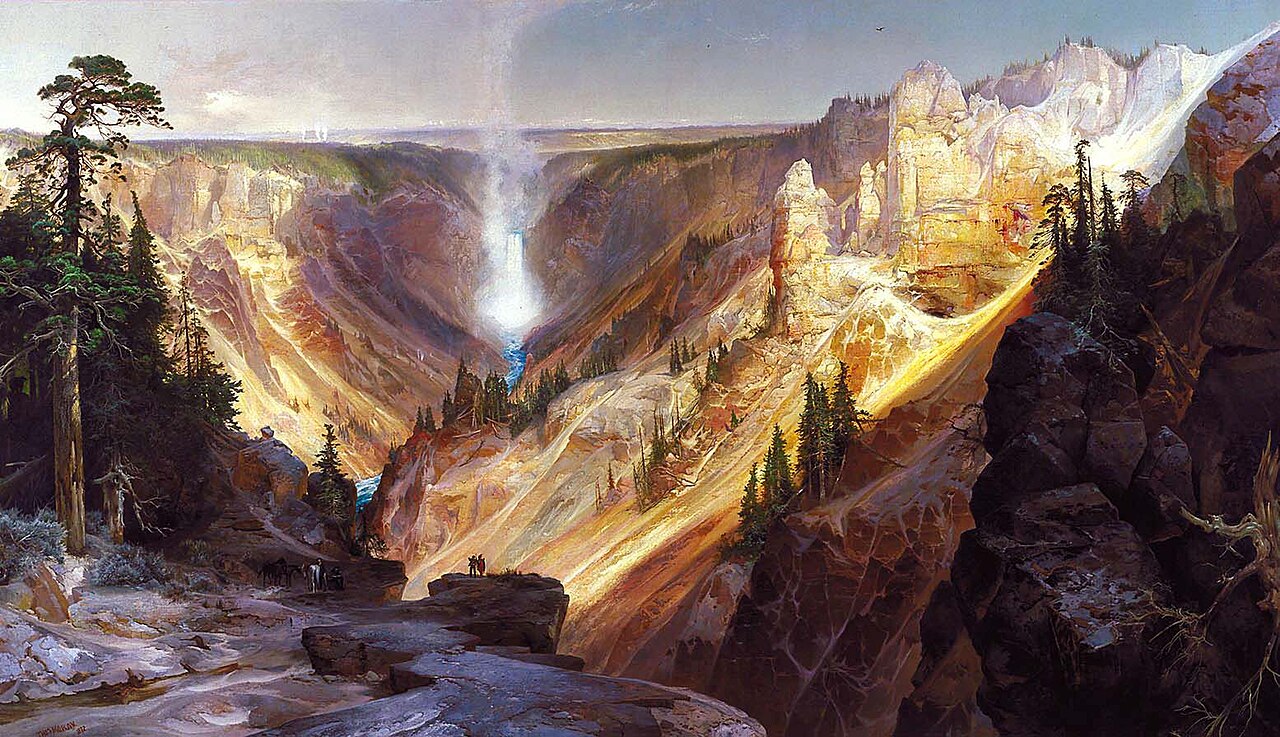
Measuring an imposing 96½ × 168⅜ inches (approximately 8 by 14 feet), Moran's 1901 rendition of the Grand Canyon of the Yellowstone demands attention, enveloping the viewer in its expansive vision. This later, larger work is distinct from his equally significant 1872 painting of the same title, showcasing Moran's evolved artistic perspective and deepened understanding of the region. The painting is a symphony of color and light, vividly capturing the dramatic landscape nestled within Yellowstone National Park in Wyoming.
- Geological Wonders: The painting meticulously renders the Yellowstone River as it carves its way through steep, vibrant rhyolite walls. These geological formations, rich in mineral deposits, explode with an astonishing palette of yellows, reds, and greens, a signature feature of the canyon.
- Dynamic Atmosphere: Misty waterfalls tumble into the chasm, creating a sense of ethereal movement and sound. Above, a vast sky filled with dynamic clouds and dramatic light effects emphasizes the scene's immense scale and raw natural power. Moran masterfully manipulates light to create a sense of depth and mystery, drawing the eye into the canyon's depths.
- A Sense of Scale: The sheer size of the canvas allows Moran to convey the overwhelming grandeur of the natural world, prompting viewers to contemplate their own place within such an immense landscape. The details, from the texture of the rocks to the mist rising from the falls, are rendered with a precision that belies the work's overall romanticized feel.
For those interested in the artistic journey behind this particular work, exploring Thomas Moran's Masterpiece: The 1901 Grand Canyon of Yellowstone offers further insights into its creation and significance.
Moran's Vision and the Birth of a National Treasure
Thomas Moran, a leading figure of the Hudson River School of landscape painting, wasn't just an artist; he was an explorer and an advocate. His deep connection to the Grand Canyon of the Yellowstone began during his transformative participation in the 1871 Hayden Geological Survey. This expedition was groundbreaking, producing the first visual documentation of the Yellowstone region for Eastern audiences, who had previously only heard mythical tales of its wonders.
Moran's detailed sketches and watercolors from this initial trip, alongside photographer William Henry Jackson's images, played a pivotal role in convincing the U.S. Congress to establish Yellowstone as the world's first national park in 1872. His art translated the rugged, untamed wilderness into something understandable and worthy of protection, effectively shaping public perception and policy. The 1901 painting, conceived after Moran's second trip to Yellowstone in 1892, built upon these earlier experiences, showcasing an evolution in his artistic vision. It reflects not just his meticulous observation of the landscape but also his imaginative capacity to imbue these rugged terrains with a literary and fantastical quality, reminiscent of epic narratives.
This intersection of art, science, and environmental advocacy is a fascinating aspect of Moran's legacy. You can delve deeper into this crucial connection by reading Art & Conservation: Moran's Grand Canyon Painting and Yellowstone's Birth.
The Art of Awe: Detailing Moran's Technique and Impact
Moran's approach to landscape painting was revolutionary. While grounded in realistic observation, he wasn't afraid to inject imaginative elements to heighten the emotional impact, transforming a mere vista into a sublime experience. He aimed to evoke a sense of awe, to transport the viewer to the raw, untamed heart of the American West. His canvases are not mere snapshots; they are meticulously composed narratives that celebrate nature's power and grandeur.
- Romanticized Portrayal: Moran's works are quintessential examples of romanticized landscape painting. He used dramatic lighting, exaggerated scale, and vivid colors to create an idealized version of nature, one that spoke to the spiritual and nationalistic sentiments of 19th-century America.
- Mastery of Light and Color: Observe how light plays across the canyon walls, illuminating certain features while plunging others into shadow. The vibrant mineral deposits, especially the characteristic yellows that give the river its name, are rendered with striking intensity. This use of color not only highlights the geological wonders but also adds to the overall emotional resonance of the piece.
- Shaping Public Perception: Through his art, Moran helped define the American West as a realm of "heroic natural beauty," a place of wonder that was both wild and worthy of preservation. His paintings fueled the nascent conservation movement and inspired countless Americans to explore and protect their national treasures.
Donated to the Smithsonian in 1928 by George D. Pratt, The Grand Canyon of the Yellowstone has since become a cornerstone of the museum's collection. It stands as a powerful symbol of the enduring connection between artistic expression and environmental consciousness, illustrating how art can profoundly influence society's understanding and appreciation of the natural world.
Beyond the Canvas: Connecting to the Real Grand Canyon of the Yellowstone
While Moran's painting offers an unparalleled artistic interpretation, the real Grand Canyon of the Yellowstone continues to captivate millions of visitors each year. Spanning approximately 20 miles long, between 800 and 1,200 feet deep, and 1,500 to 4,000 feet wide, this natural wonder is an active, dynamic landscape still being carved by the Yellowstone River. The vibrant yellow hues, so prominent in Moran's work, are indeed present, caused by the hydrothermally altered rhyolite rock.
Tips for Appreciating the Real Canyon:
- Visit Iconic Viewpoints: Like Moran, you'll be drawn to locations such as Artist Point, Grand View, Inspiration Point, and Lookout Point. These offer breathtaking panoramas of the Upper and Lower Falls and the colorful canyon walls.
- Experience the Falls Up Close: Hike down to the brink of the Lower Falls via Uncle Tom's Trail (check for seasonal closures) to feel the power and mist of the water, a sensation Moran undoubtedly experienced.
- Reflect on Moran's Vision: As you stand before the canyon, consider how Moran interpreted this landscape. Can you see the "sublime" elements he emphasized? How does his romanticized portrayal compare to your own experience? The painting can serve as a lens, deepening your appreciation for the natural spectacle before you.
- Understand the Geological Story: The vibrant colors are not just beautiful; they tell a story of ancient volcanic activity and ongoing geothermal processes. Learning about the geology enhances the visual experience.
Visiting the actual site after seeing Moran's masterpiece (or vice versa) creates a unique dialogue between art and reality, allowing for a richer, more profound appreciation of both.
Conclusion
Thomas Moran's The Grand Canyon of the Yellowstone (1901) is far more than just a painting; it's a window into American history, a testament to the power of art, and a timeless reminder of nature's grandeur. From its monumental scale and vivid details to its crucial role in the establishment of Yellowstone National Park, this artwork continues to inspire and educate. It stands as a powerful symbol of how artistic vision can merge with scientific discovery and environmental advocacy to preserve and celebrate our planet's most extraordinary landscapes. Whether experienced in the quiet halls of the Smithsonian or echoed in the roaring waters of the Grand Canyon of the Yellowstone itself, Moran's legacy endures, inviting us to look closer, feel deeper, and protect what is truly priceless.
